




The Ultimate AC Servicing Checklist for a Cool Home
Home Maintenance, Air Conditioning
The Ultimate AC Servicing Checklist for a Cool Home
A well-serviced air conditioner keeps your home cool, your energy bills in check, and your family comfortable all summer long. Use this practical checklist to understand what proper AC servicing should include and how to keep your system running at its best.
Why an AC Servicing Checklist Matters
An air conditioner is one of the hardest-working appliances in your home. Without regular servicing, dust, wear, and minor issues slowly build up, turning into higher bills, weak cooling, and unexpected breakdowns. A clear, structured checklist ensures that every essential part of your system gets the attention it needs, whether you hire a professional or do basic upkeep yourself between visits.
Think of it as a health check for your cooling system: small, consistent steps that add up to a cooler, safer, and more efficient home. Below is the ultimate AC servicing checklist you can use to guide every appointment and seasonal tune-up.
1. Start with Safety and Basic Inspection
Turn off power to the unit at the main switch or breaker before any cleaning or inspection.
Visually inspect indoor and outdoor units for loose panels, rust, or obvious damage.
Check that the unit is level and securely mounted to reduce vibration and noise.
💡 Pro Tip: Keep a printed copy of this checklist near your electrical panel so you can quickly walk through it with any technician who visits your home.
2. Clean or Replace Air Filters
Dirty filters are one of the most common reasons for poor cooling and high energy use. They restrict airflow, forcing your AC to work harder than necessary. During servicing, make sure the following steps are covered:
Remove filters from indoor units or return air grilles and inspect them against the light for dust build-up.
Wash reusable filters with mild soap and water, then dry completely before reinstalling, or replace disposable filters with the correct size and rating.
Note the date of cleaning or replacement so you can repeat the process every one to three months, depending on usage and dust levels.
3. Deep-Clean Coils and Fins
Both the indoor evaporator coil and the outdoor condenser coil need to be clean to transfer heat efficiently. Dust, pet hair, and outdoor debris can insulate these coils, reducing cooling performance and shortening the system’s lifespan.
Gently vacuum coil surfaces and aluminum fins to remove loose dust and debris without bending the metal.
Use a suitable coil cleaner, applied according to manufacturer instructions, to dissolve stubborn dirt and grime.
Ensure plants, leaves, and clutter are cleared at least 2–3 feet away from the outdoor unit to allow free airflow.
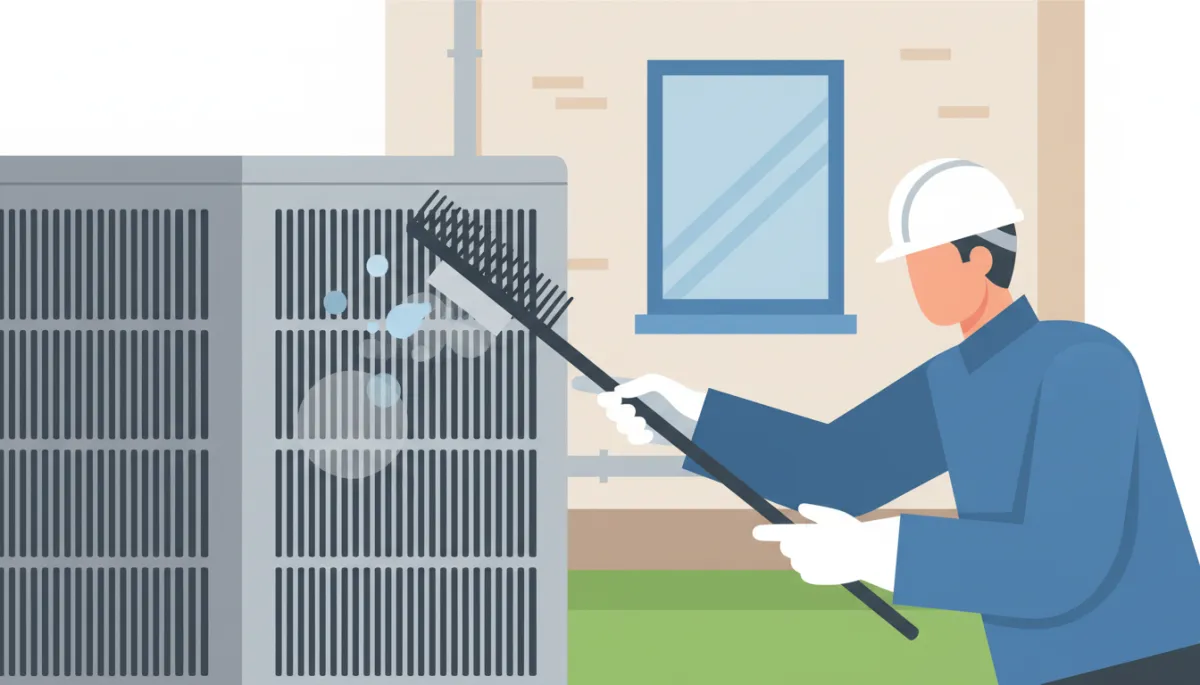
Clean coils can significantly improve cooling efficiency and reduce electrical consumption.
4. Check the Thermostat and Controls
A properly calibrated thermostat ensures your AC cycles on and off at the right times, maintaining comfort without wasting energy. During servicing, have your technician:
Verify that the thermostat reading matches the actual room temperature as closely as possible.
Test all modes—cooling, fan-only, and auto—to confirm smooth switching between functions.
Check batteries in wall thermostats and replace them if they are weak or older than a year.
5. Inspect Electrical Components and Connections
Electrical issues can cause frequent tripping, overheating, or even damage to your compressor. This part of the checklist is best handled by a qualified professional for safety reasons, and should include:
Tightening loose connections and inspecting wiring for signs of wear, burning, or corrosion.
Testing capacitors, contactors, and relays to ensure they start and run the compressor and fan correctly.
Confirming that safety switches and breakers are functioning as designed.
6. Clear the Condensate Drain and Check for Leaks
When your AC cools the air, it also removes moisture, which drains away through a condensate line. If that line clogs, you can end up with water leaks, stains, and even mold growth near the indoor unit. Your servicing checklist should include:
Flushing the condensate drain with clean water or a recommended cleaning solution to clear blockages.
Inspecting the drain pan for cracks, rust, or standing water that might indicate poor drainage.
Checking for any water stains on walls or ceilings around the indoor unit that could signal hidden leaks.
7. Assess Refrigerant Levels and Overall Performance
Low or incorrect refrigerant levels reduce cooling capacity and can damage your compressor over time. Only licensed technicians should handle refrigerant, but you can still make sure this step is part of the service visit:
Measuring refrigerant pressure and temperature to confirm it is within manufacturer specifications.
Checking for signs of refrigerant leaks, such as oily residue, hissing sounds, or ice on pipes.
Testing the system’s temperature difference between supply and return air to confirm effective cooling.
8. Final Checks and Maintenance Schedule
Once all technical steps are complete, ask your technician to run the system for several minutes while you walk through your home. Listen for unusual noises, check that each room is receiving cool air, and confirm that no strange odors are coming from the vents. This is your chance to catch anything that still feels off before the service visit ends.
For most homes, a professional AC service once a year—ideally before peak summer—combined with regular filter cleaning is enough to keep the system healthy. In dusty environments or homes with pets and allergies, consider servicing every six months. By following this ultimate checklist, you can enjoy a reliably cool home, fewer breakdowns, and the peace of mind that your AC is working as efficiently as possible.


